
Enclosed Car Hauler Trailers
Showing 13–24 of 24 results
-
Enclosed Cargo Trailers
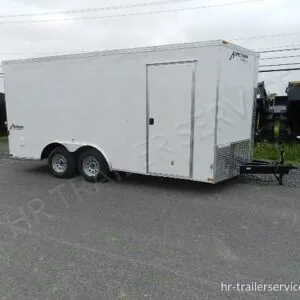
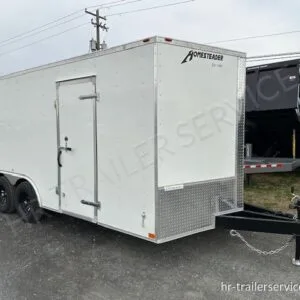
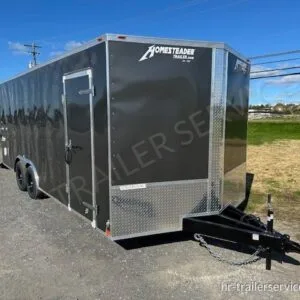
Homesteader 8.5 x 16 V-Nose Enclosed Car Hauler – Extended Tongue
$9,899 Add to cart -
Enclosed Cargo Trailers
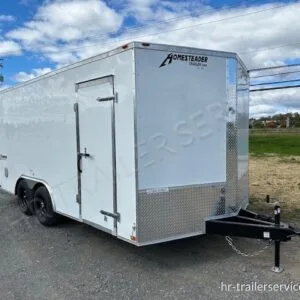
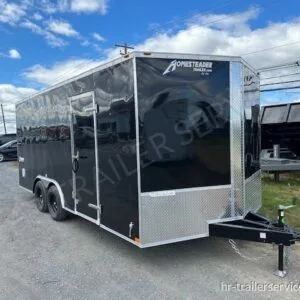
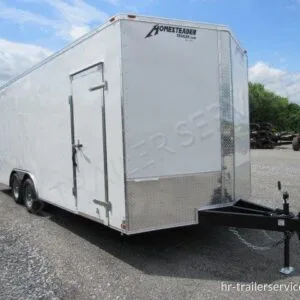
Homesteader 8.5 x 16 V-Nose Enclosed Car Hauler – Ramp Door
$9,799 Add to cart -
Enclosed Cargo Trailers
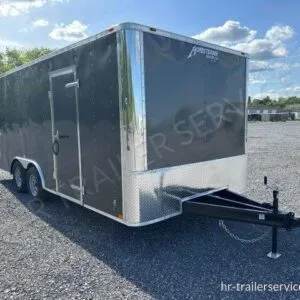
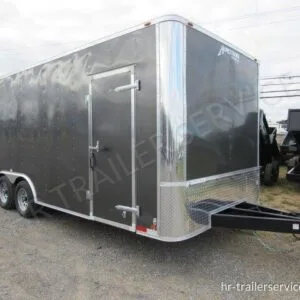
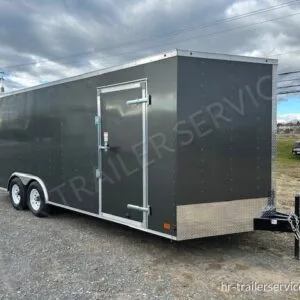
Homesteader 8.5 x 18 Enclosed Car Hauler – Ramp Door
$10,499 Add to cart -
Enclosed Cargo Trailers

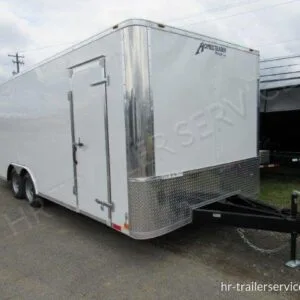
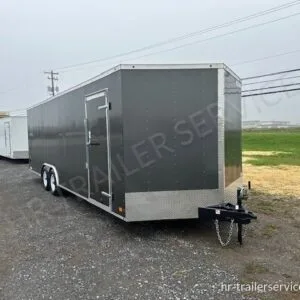
Homesteader 8.5 x 18 Enclosed Car Trailer – 6″ Added Height
$10,699 Add to cart -
Enclosed Cargo Trailers
Homesteader 8.5 x 18 V-Nose Enclosed Car Hauler
$10,520 Add to cart -
Enclosed Cargo Trailers
Homesteader 8.5 x 18 V-Nose Enclosed Car Hauler – Ramp Door
$10,199 Add to cart -
Enclosed Cargo Trailers
Homesteader 8.5 x 20 Enclosed 7K Car Trailer – 6″ Added Height
$11,099 Add to cart -
Enclosed Cargo Trailers
Homesteader 8.5 x 20 Enclosed Car Trailer – 7K Extended Tongue
$10,799 Add to cart -
Enclosed Cargo Trailers
Homesteader 8.5 x 20 V-Nose Enclosed Car Hauler
$10,599 Add to cart -
Enclosed Cargo Trailers
Homesteader 8.5 x 20 V-Nose Enclosed Car Hauler – 6″ Added Height
$10,899 Add to cart -
Enclosed Cargo Trailers
Nexhaul 8.5 x 20 V-Nose Enclosed Car Trailer
$10,499 Add to cart -
Enclosed Cargo Trailers
Nexhaul 8.5 x 24 V-Nose Enclosed Car Trailer
$10,999 Add to cart
Length is the spec buyers ask about. Interior height and rear door opening are the specs that actually kill deals. A standard 8.5-foot-wide enclosed trailer has about 6 feet 6 inches of interior height and a rear door opening several inches shorter than that. Drive a lifted truck, a van, or anything with a roof rack up the ramp and you find out about the door header the hard way. Sort height first, then length.
Enclosed Car Hauler Sizes & Capacities
V-nose models add roughly two feet of usable interior length over the stated box dimension, which is why an 8.5 × 20 V-nose often swallows a vehicle that a flat-nose 8.5 × 20 will not. Empty weights below are for steel-frame construction; all-aluminum units run 700 to 1,200 pounds lighter in the same size.
| Size | Interior height (std / +6") | Rear door opening | GVWR | Approx. empty weight |
|---|---|---|---|---|
| 8.5' × 16' | 6'6" / 7'0" | ~6'2" / ~6'8" | 7,000–10,000 lb | 2,400–2,900 lb |
| 8.5' × 18' | 6'6" / 7'0" | ~6'2" / ~6'8" | 9,990–10,400 lb | 2,700–3,200 lb |
| 8.5' × 20' | 6'6" / 7'0" | ~6'2" / ~6'8" | 9,990–10,400 lb | 2,900–3,500 lb |
| 8.5' × 24' | 7'0" typical | ~6'8" | 10,400–14,000 lb | 3,400–4,300 lb |
| 8.5' × 28'–32' | 7'0" / 7'6" | ~6'8" / ~7'2" | 14,000 lb (gooseneck options above) | 4,200–6,000 lb |
Interior width between the wheel wells is the other number to check. An 8.5-foot box measures roughly 100 inches wall to wall but only about 80 inches between the fender boxes. Wide-track vehicles need that clearance measured, not assumed.
How to Choose the Right Enclosed Car Hauler
Add six inches of height, almost always
The added-height option is the cheapest regret prevention on the order sheet. It buys you a 7-foot interior, a taller door opening, and enough room to stand up and work around the car instead of duck-walking. Retrofitting it is impossible.
Steel frame or all-aluminum
Steel costs less up front and takes abuse. Aluminum saves 700 to 1,200 pounds in a 20-footer, which comes straight back to you as payload and fuel economy, and it does not rust in road salt. If you tow with a half-ton or you are near your tow vehicle's limit, aluminum earns its price. If the trailer lives on a job site, steel is the sensible buy.
Axle rating governs everything downstream
An 8.5 × 20 steel enclosed weighs around 3,200 pounds. On 3,500-pound axles it has about 3,800 pounds of payload, which will not carry most vehicles. On 5,200-pound axles you have roughly 7,200 pounds and real margin. Do not buy an enclosed car hauler on 3,500-pound axles. Cross-check with our axle capacity chart.
Torsion versus leaf spring
Torsion axles ride smoother, sit slightly lower, need no equalizers or shackles to wear out, and are the right answer for finished vehicles. Leaf springs are cheaper, field-repairable anywhere, and share load between axles over a pothole. For hauling cars specifically, torsion is worth the upgrade.
Screwless exterior and roof construction
Screwless aluminum skins look better longer and eliminate hundreds of fastener holes as leak paths. One-piece aluminum roofs beat seamed roofs for the same reason. Water intrusion is the number one long-term failure mode on enclosed trailers, and every seam is a candidate.
Interior Finish, Ramp Doors, and Tie-Down Systems
The rear ramp door is the component you use most and inspect least. Look for a spring-assist or torsion-assist system rated to lift the door one-handed, hinges that are through-bolted rather than tacked, and a transition flap at the bottom — that flap is what keeps a low front air dam from catching the door lip. Ramp doors are typically rated in the 3,000 to 5,000-pound range for the door structure itself, which is fine for cars but worth confirming if you are loading a truck.
Inside, the floor is usually 3/4-inch plywood over crossmembers on 16-inch or 24-inch centers. Sixteen-inch spacing is markedly stiffer under concentrated tire loads and worth asking about. Walls are commonly 3/8-inch plywood or a vinyl-faced panel; plywood lets you mount cabinets and hooks anywhere, vinyl cleans up better. For securement, horizontal E-track along the lower walls plus recessed floor D-rings rated 5,000 pounds gives you the most flexibility — E-track takes wheel nets and straps at any position, so you are not fighting fixed anchor points on a car whose wheelbase does not match.
Options that matter more than they sound: a 36 or 48-inch side escape door positioned so you can actually open the car door once it is loaded, roof vents or a powered vent to keep fuel vapor and heat out, LED interior lights, and a 110-volt package with exterior shore power if you will ever work in the trailer. A beavertail or extended tongue helps low-clearance cars clear the break at the ramp. If you are hauling cargo rather than vehicles, our general cargo trailers cover the same construction without the car-specific hardware.
Delivery & Buying Online
We deliver enclosed car haulers nationwide across the lower 48, with flat-rate freight quoted to your address up front so the delivered number never moves after you commit. All units carry our 30-day guarantee. Send us the vehicle you are hauling — length, width at the mirrors, and height — and we will confirm it clears the door opening and the wheel wells before we ship anything.
Related Categories
If weather protection is not a requirement, our open car hauler trailers cost far less and load easier. For general covered hauling, see cargo trailers. Longer vehicle loads may push you toward a gooseneck trailer, and if you are outfitting a mobile business, our food trailers start from similar shells. Use what size trailer do I need to check your math.
Frequently Asked Questions
What interior height do I need in an enclosed car hauler?
Order the added-height option unless your vehicle is a low sports car. Standard 8.5-foot-wide trailers give about 6 feet 6 inches interior with a rear door opening near 6 feet 2 inches. The common six-inch height upgrade takes you to a 7-foot interior and roughly a 6-foot-8 door, which clears most trucks and SUVs.
What size enclosed trailer fits a full-size truck?
An 8.5 by 24 with added height is the practical minimum for a full-size crew-cab pickup, which runs 19 to 21 feet long. You also need the taller door opening, since most full-size trucks stand over 6 feet 2 inches. Verify height at the roof or any rack before ordering.
Should I buy an aluminum or steel enclosed car hauler?
Aluminum if you are near your tow vehicle's limit or in a salt-belt climate; steel if the trailer works hard on job sites. An all-aluminum 20-footer saves roughly 700 to 1,200 pounds over steel, which returns directly as payload and fuel economy, and it will not rust.
How much does an enclosed car hauler weigh?
A steel-framed 8.5 by 20 runs about 2,900 to 3,500 pounds empty, an 8.5 by 16 about 2,400 to 2,900 pounds, and an 8.5 by 24 roughly 3,400 to 4,300 pounds. All-aluminum construction reduces those figures by 700 to 1,200 pounds in comparable sizes. Subtract empty weight from GVWR to get real payload.
Are 3,500 lb axles enough for an enclosed car hauler?
No. A 20-foot steel enclosed trailer weighs around 3,200 pounds, so twin 3,500-pound axles leave only about 3,800 pounds of payload, which will not carry most vehicles safely. Specify 5,200-pound axles for a 9,990 to 10,400-pound GVWR, or 7,000-pound axles for 14,000.
Does a V-nose enclosed trailer add usable space?
Yes, a V-nose typically adds about two feet of usable interior length compared with a flat-nose trailer of the same stated box length. It also reduces aerodynamic drag slightly. The extra space is triangular, so it suits a front-mounted toolbox or cabinet better than it suits square cargo.