
Gooseneck Trailers
Showing 13–24 of 48 results
-
Gooseneck Trailers
Sale!
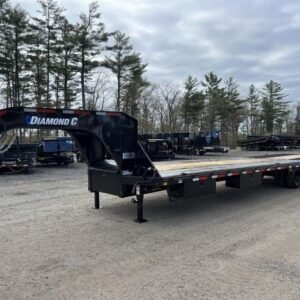
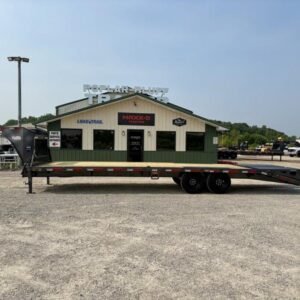
2024 Diamond C 8.5×35 25K Gooseneck Equipment Trailer w/Spare Mount
Original price was: $20,450.$16,260Current price is: $16,260. Add to cart -
Gooseneck Trailers
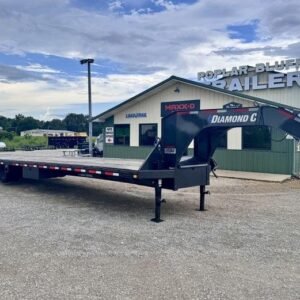
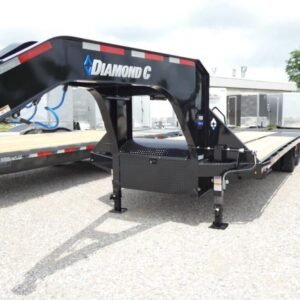
2024 Diamond C FMAX212 40′ x 102″ Fleetneek 25.9k GVWR Straight Deck Air Ride
$28,000 Add to cart -
Gooseneck Trailers
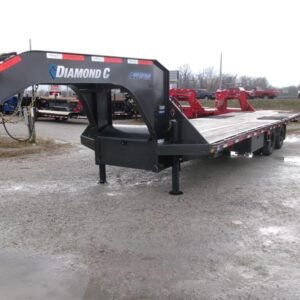
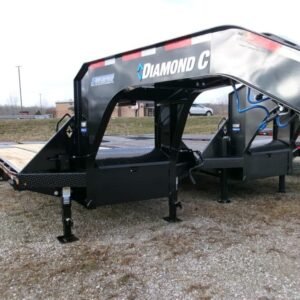
2024 Diamond C FMAX212 HDT 102″x 30′ 25.9K Hydraulic Dovetail Equipment Trailer Gooseneck Trailers
$29,300 Add to cart -
Gooseneck Trailers

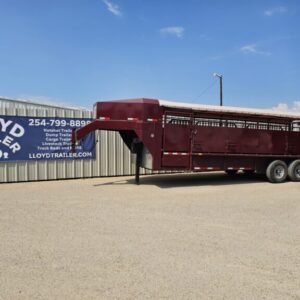
2024 Other 6’8″X24′ Stock / Stock Combo Trailer
$14,000 Add to cart -
Flatbed Trailers
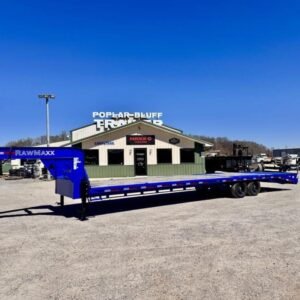
2024 RawMaxx *USED* 102″ x 34′ 12K Single Wheel Flatbed W/ Max Ramps
$13,000 Add to cart -
Gooseneck Trailers
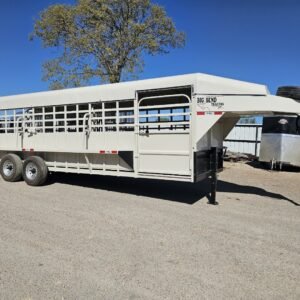
2025 Big Bend 24X6’8″ Stock / Stock Combo Trailer
$24,399 Add to cart -
Gooseneck Trailers
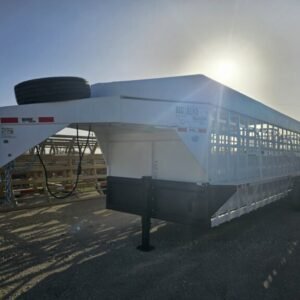
2025 Big Bend 6’8″X24′ Stock / Stock Combo Trailer
$25,250 Add to cart -
Gooseneck Trailers
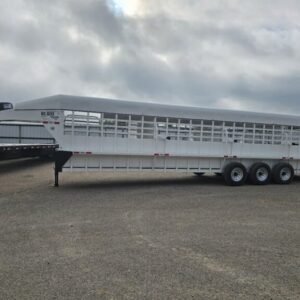
2025 Big Bend 6’8″X28′ 3/4 TOP Stock / Stock Combo Trailer
$28,350 Add to cart -
Gooseneck Trailers
2025 Big Bend 6’8″X32′ Stock / Stock Combo Trailer
$30,250 Add to cart -
Gooseneck Trailers
2025 Diamond C FMAX208 28′ x 102″ 18k Engineered Beam With Max Ramps
$18,488 Add to cart -
Gooseneck Trailers
2025 Diamond C FMAX210 102″x 28′ Equipment Trailer With MAX Ramps Gooseneck Trailers
$21,500 Add to cart -
Gooseneck Trailers
2025 Diamond C FMAX210 102″x 30′ 25k Equipment Trailer With MAX Ramps Gooseneck Trailers
$21,200 Add to cart

A gooseneck puts its pin weight directly over your truck's rear axle instead of hanging it off the back bumper. That one structural difference is the whole argument: a gooseneck carries roughly two to three times what a comparable bumper-pull handles, tracks straighter at highway speed, and pivots tight enough to back through a job-site gate that would defeat a 30-foot tag trailer. Once you are regularly moving more than about 14,000 pounds, the question stops being how long a trailer you want and becomes how much weight your truck bed is rated to accept.
Gooseneck Trailer Sizes & Capacities
Deck lengths below are stated flat-deck plus dovetail where a dovetail is present. Empty weights swing several hundred pounds with options like hydraulic jacks, toolboxes, and monster ramps, so treat payload as a working range and confirm the figure on the unit's own VIN plate.
| Deck length | Typical GVWR | Axle pair | Approx. empty weight | Usable payload | What it actually hauls |
|---|---|---|---|---|---|
| 20' + 5' dovetail | 14,000–16,000 lb | 2 × 7,000 / 2 × 8,000 lb | 4,500–5,200 lb | 9,000–11,000 lb | Compact track loader, utility tractor with a loader |
| 25' + 5' dovetail | 21,000–23,900 lb | 2 × 10,400 / 2 × 12,000 lb | 6,000–7,200 lb | 14,500–17,000 lb | Mini excavator plus a skid steer, baled hay |
| 30' + 5' dovetail | 25,900 lb | 2 × 12,000–13,180 lb | 7,500–8,800 lb | 17,000–18,400 lb | Row-crop tractor, small dozer, mixed equipment |
| 32'–40' straight deck | 25,900–30,000 lb | 2 × 12,000 / 3 × 10,400 lb | 8,000–10,500 lb | 16,000–21,000 lb | Hotshot freight, pipe, lumber, palletized loads |
| 40' straight deck, air ride | 40,000 lb | Heavy tandem, air suspension | 11,000–13,000 lb | 26,000–28,000 lb | Ag equipment, heavy hotshot behind a medium-duty truck |
You will notice manufacturers stop at 25,900 pounds rather than a round 26,000. That is deliberate. Federal rules put the Class A commercial licensing threshold at a 26,001-pound combination when the towed unit is rated over 10,000 pounds, and several states hang registration and inspection requirements on the same number. A 25,900-pound trailer keeps the trailer under the line; it does nothing for the combination, since that same trailer behind a 10,000-pound pickup is a 35,900-pound rig. Read towing laws by state before you assume you are clear.
How to Choose the Right Gooseneck Trailer
Start with the truck, not the trailer
Pin weight runs about 20–25% of the loaded trailer weight. Load a 25,900-pound gooseneck to its rating and you are setting 5,200–6,500 pounds into the bed, which has to come out of the truck's payload before you count fuel, passengers, and a full toolbox. Use the yellow payload sticker in the driver's door jamb, not the tow rating on the brochure. A three-quarter-ton is the honest minimum; a one-ton dually is the right answer above 20,000 pounds.
Buy the GVWR you need, not the one you can afford
Overbuying a rating costs you tare weight and tire money. Underbuying is worse, because axle ratings are not suggestions and DOT scales do not grade on effort. If your heaviest single load is 15,000 pounds, a 21,000-pound trailer is comfortable. If it is 19,000, you want 25,900.
Deck width and profile
Standard is 102 inches wide. A 96-inch deck is easier to thread through gates and cheaper to register in a few states, but it will not take a 100-inch-wide bucket sideways. Straight-deck goosenecks give you a flat surface end to end for pallets and freight. Dovetail decks give you a shallower approach for equipment but permanently give up that last five feet as flat cargo space.
Axles, tires, and brakes
Electric drum brakes on both axles are the baseline. Above 20,000 pounds, look hard at hydraulic disc or air brakes — the difference on a long grade with a loaded deck is not subtle. Tires matter as much as axles: ST235/80R16 load range E is standard on 10,000-pound axles, while 12,000-pound and heavier axles should be riding on 17.5-inch commercial rubber. Our trailer axle capacity chart lays out the pairings.
Deck surface and tie-down hardware
Treated pine is standard, rough-cut oak lasts longer under tracked machines, and steel tread plate suits steel and scrap work. Count your tie-down points before you buy: chain spools take a grade 70 chain and binder without chewing the rail, while D-rings suit straps.
Necks, Couplers, and Deck Configurations
The neck is where goosenecks genuinely differ from one another, and it is the part buyers skim past. Round-pipe necks are the traditional design, simple and easy to service, with an adjustable coupler that lets you level the deck across different truck bed heights. Square and rectangular tube necks are stiffer under load. Low-profile pierced-beam necks — often marketed as fleetneck or similar — drop the neck's main beam through the frame so the deck sits lower, which buys you an inch or two of legal load height on a tall machine.
Couplers are almost always a 2-5/16 inch ball, rated at either 25,000 or 30,000 pounds. Confirm that the ball in your truck bed carries a rating at or above the trailer's GVWR, because a 25,000-pound ball under a 25,900-pound trailer is a failed inspection waiting to happen. Heavier units may instead use a kingpin over a fifth wheel plate, which is a different truck setup entirely and worth sorting out before delivery day.
Dual 12,000-pound drop-leg jacks are standard; hydraulic jacks are the upgrade you appreciate the first cold morning you hitch alone. For loading, you are choosing between a fixed dovetail with slide-in ramps, flip-over monster ramps stored on the tail, or a powered tail. If you want a flat deck that still loads at a shallow angle, look at hydraulic dovetail goosenecks, where only the rear section folds down. If your machine is too low or too long to survive any ramp break, the answer is usually a detachable gooseneck that loads at ground level.
Delivery & Buying Online
We ship nationwide to the lower 48 from Wickenburg, Arizona. Freight is quoted flat-rate to your delivery address before you commit, so the number you approve is the number you pay — no fuel surcharges bolted on afterward. Every trailer is covered by our 30-day guarantee. Call or message us with your truck, your heaviest load, and your ZIP code, and we will tell you what fits and what it costs delivered.
Related Categories
Still deciding on hitch type? Compare against our flatbed trailers and read gooseneck vs bumper pull for the tradeoffs. If your loads are machinery-first, the equipment trailer lineup is built around ramps and deck height. For hauling material rather than machines, see dump trailers, and for lighter day-to-day work our utility trailers cover the gap below 14,000 pounds.
Frequently Asked Questions
What truck do I need to pull a gooseneck trailer?
A three-quarter-ton is the practical minimum and a one-ton dually is better above 20,000 pounds. Pin weight runs 20 to 25 percent of the loaded trailer weight, so a fully loaded 25,900-pound gooseneck drops roughly 5,200 to 6,500 pounds into the bed. Check your door-jamb payload sticker, not the brochure tow rating.
Do I need a CDL to tow a gooseneck trailer?
Often yes, depending on weight and use. Federal rules require a Class A CDL when the combination is rated 26,001 pounds or more and the trailer is rated over 10,000 pounds. Many states exempt farm and personal non-commercial use, but the exemptions vary considerably, so confirm your state's rules before purchase.
Should I buy a gooseneck or a bumper pull?
Go gooseneck once you are regularly hauling more than about 14,000 pounds or need a deck longer than 30 feet. Goosenecks tow more stably, turn tighter, and carry far more weight because the pin load sits over the truck's rear axle. Bumper pulls stay simpler, cheaper, and tow behind more vehicles.
How much does a gooseneck trailer weigh empty?
Expect roughly 4,500 to 5,200 pounds for a 25-foot 14K unit, 6,000 to 7,200 pounds in the 21K to 23.9K class, and 7,500 to 10,500 pounds for 30 to 40 foot decks rated 25,900 pounds and up. Hydraulic jacks, ramps, and toolboxes each add meaningfully to that figure.
What is the difference between a dovetail and a straight deck gooseneck?
A dovetail angles the last five feet of deck downward to shallow out the loading ramp angle for equipment. A straight deck stays flat end to end, which is what you want for pallets, freight, and long material. Dovetails load machinery easier but permanently sacrifice that rear section as flat cargo space.
Can I put a gooseneck hitch in a short-bed truck?
Yes, and it is common, but cab clearance is the limiting factor. A standard gooseneck neck in a 6.5-foot bed can contact the cab in tight turns. Buyers usually solve it with an extended or offset neck, a sliding hitch, or by accepting a wider turning discipline when backing.